
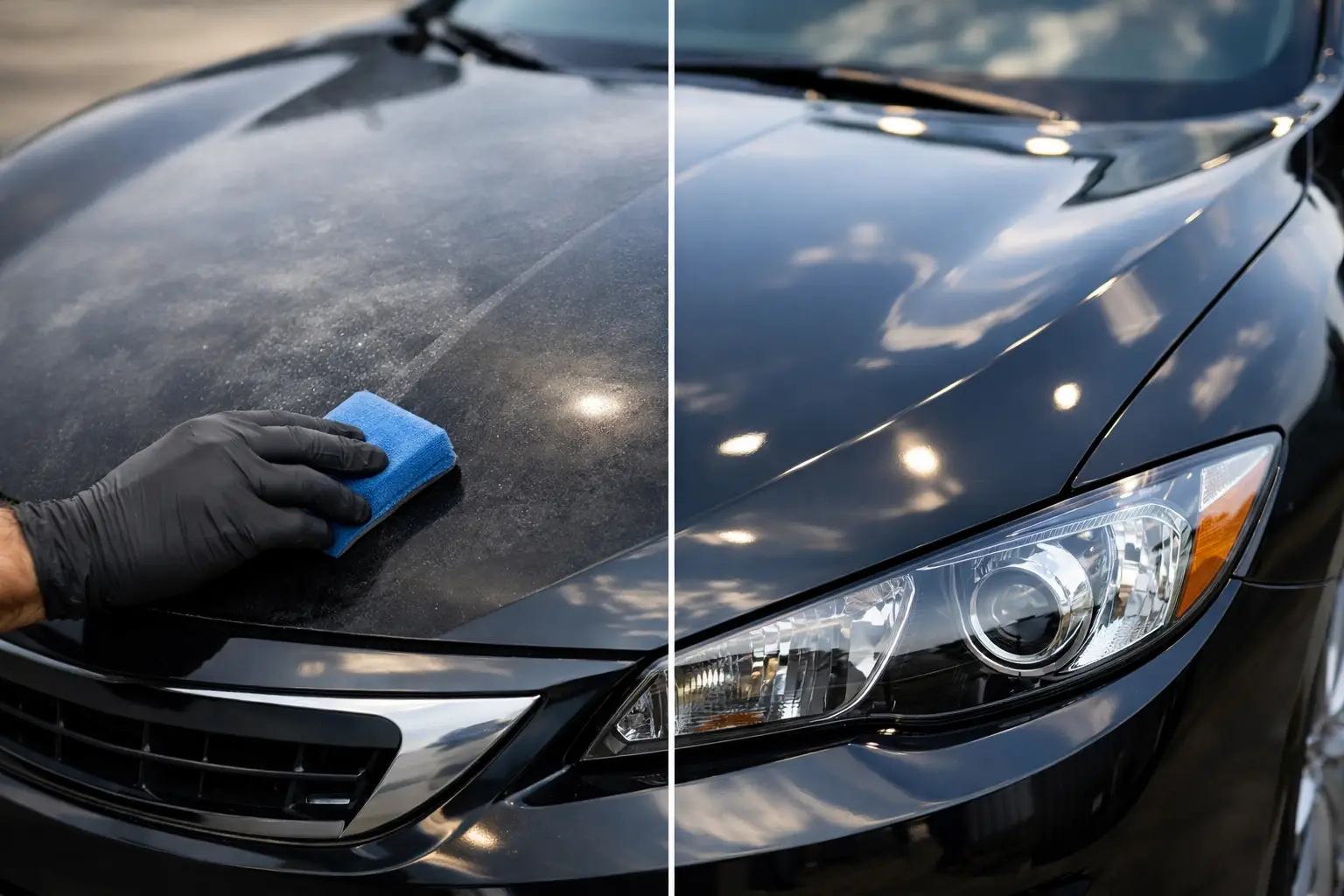
A ceramic coating does not magically turn neglected paint into flawless paint. The most impressive ceramic coating before after results come from a careful process: wash away embedded contamination, correct visible defects, prepare the surface precisely, then apply a durable protective coating. When those steps are handled correctly, a daily driver can look dramatically sharper and a luxury vehicle can regain the depth, clarity, and slick finish that makes its paint stand out.
For vehicle owners who care about preserving their investment, the real question is not whether ceramic coating looks good on day one. It is what changed, what protection the coating actually provides, and how to keep that finish looking its best through Chicago-area weather, road grime, and regular use.
What Ceramic Coating Changes Before and After
The before-and-after difference is usually most visible in paint clarity. Before detailing, a vehicle may have dullness from oxidation, light scratches from improper washing, water spots, bug residue, road film, and fine swirl marks that show up under direct sun or shop lighting. Dark colors often reveal these issues first, but white, silver, and gray paint can lose reflectivity as well.
After proper paint correction and ceramic coating, the surface should look cleaner, deeper, and more uniform. Reflections appear more defined. Metallic flake becomes more noticeable. On black paint, the finish often looks wetter and more mirror-like because the hazy layer of defects has been reduced or removed.
The coating also changes the way the vehicle behaves when it gets wet. Water tends to bead or sheet away more readily, carrying loose dirt with it. That hydrophobic behavior is useful, but it should not be confused with self-cleaning paint. Rainwater can still dry on the vehicle, leave mineral spots, or carry contaminants onto the surface. Ceramic coating makes maintenance easier, not unnecessary.
The Biggest Difference Is Usually Paint Correction
Many photos labeled as ceramic coating results are really paint-correction results. That is not a technicality. It is the difference between applying protection over imperfections and protecting a surface that has been properly refined.
Ceramic coating is clear. It can enhance gloss, but it does not fill deep scratches, remove rock chips, erase etched water spots, or hide peeling clear coat. If the paint has wash-induced swirls or light oxidation, polishing before the coating is applied can produce the transformation people expect to see.
The level of correction depends on the vehicle’s condition and the owner’s goals. A newer commuter vehicle may benefit from a single-stage polish that significantly improves gloss while preserving clear coat. A cherished weekend car or exotic vehicle may call for more extensive correction to address deeper defects and maximize clarity. Not every vehicle needs perfection, and chasing every isolated mark is not always the best value. A professional assessment should balance appearance, paint thickness, budget, and how the car will be used.
What a quality preparation process looks like
A lasting result begins with decontamination. The exterior is thoroughly washed to remove loose dirt and traffic film, then treated to remove bonded contaminants such as iron particles, tar, and industrial fallout. These contaminants can make paint feel rough and interfere with polishing and coating adhesion.
Next comes inspection under proper lighting. This reveals the true condition of the paint rather than the condition visible in a shaded driveway. Polishing is performed as needed to improve the finish, followed by a panel-prep step that removes oils and residue. Only then is the ceramic coating applied to a clean, corrected surface.
This preparation is why a premium service takes more time than a quick wax appointment. The coating is the final protective layer, not a shortcut around the restoration work beneath it.
What Ceramic Coating Protects Against
Once cured, a professional-grade ceramic coating creates a durable sacrificial layer over the vehicle’s clear coat. It is designed to help resist common sources of paint deterioration, including UV exposure, oxidation, road film, bug splatter, bird droppings, tree sap, and light chemical contamination.
The benefit is especially practical for vehicles parked outdoors or driven daily through Arlington Heights, Schaumburg, Palatine, and surrounding suburbs. Seasonal pollen, construction dust, winter grime, and frequent temperature swings can quickly take the crisp look out of unprotected paint. A coating helps reduce how aggressively these contaminants bond to the surface, giving you more time to wash them away safely.
It also makes routine cleaning more efficient. Dirt releases more easily when the surface is properly coated and maintained, which can reduce the need for aggressive scrubbing. Less aggressive contact during washes means fewer opportunities to create new swirls.
Ceramic coating can also protect wheels, trim, glass, and other exterior surfaces when the appropriate product is selected. Each material has different needs, so an experienced detailer will not treat painted panels, matte trim, leather, and wheel faces as if they require the same protection.
What a Ceramic Coating Will Not Do
A reputable detailer should be clear about the limits. Ceramic coating is not paint protection film, and it will not prevent rock chips, deep scratches, door dings, or collision damage. It is highly chemical-resistant, but no coating is invincible against neglected bird droppings, harsh cleaners, or prolonged exposure to corrosive substances.
It also does not mean you can use any automatic car wash without consequences. Brush tunnels can still leave fine scratches on a coated vehicle. The coating may remain present, but the paint can lose the sharp, defect-free appearance that made the before-and-after result so compelling.
Longevity depends on the coating system, how well the paint was prepared, storage conditions, mileage, washing habits, and maintenance. Warranty-backed durability adds confidence, but it should be paired with realistic care expectations. A vehicle that is washed safely and maintained consistently will look better for longer than one that is exposed to abrasive washes and allowed to accumulate contamination.
How to Keep the After Result Looking Like the After Result
The first wash after coating should follow the curing guidance provided by your detailer. After that, regular maintenance is straightforward: wash the vehicle before heavy grime becomes baked on, use pH-balanced products, rinse thoroughly, and dry with clean, high-quality microfiber towels. Avoid washing in direct sun whenever possible, especially during hot weather.
For most daily-driven vehicles, a consistent maintenance plan is more valuable than waiting until the paint looks neglected. Professional maintenance detailing can remove seasonal buildup, refresh exterior surfaces, clean wheels and tires thoroughly, and identify issues such as water spotting before they become more difficult to correct.
Be cautious with dealership washes, gas-station brushes, and bargain wash packages. Convenience is appealing, but repeated contact with dirty or stiff brushes can quickly introduce the fine scratches that diminish gloss. Mobile detailing or scheduled studio maintenance can be a better fit for busy owners who want convenience without giving up the quality of care their vehicle needs.
Is Ceramic Coating Worth It for Your Vehicle?
Ceramic coating makes the most sense when you value a consistently clean appearance, want to simplify exterior maintenance, and plan to keep the vehicle long enough to benefit from lasting protection. It is a strong choice for new vehicles, well-kept pre-owned vehicles, luxury cars, and daily drivers that spend time outdoors.
If the paint is heavily chipped, peeling, or damaged, a coating may not be the first step. Those conditions may require touch-up work, refinishing, or other repairs before protection is considered. Likewise, if you trade vehicles frequently and only want a short-term shine, a professional wax or sealant may better match your needs.
The best ceramic coating before after results are not about an exaggerated photo under perfect lighting. They are about walking out to your vehicle weeks and months later, seeing crisp reflections, cleaner paint, and a finish that still looks intentionally cared for. Elite Luxe Auto Detailing approaches that result through correction, protection, and maintenance that fits the way you actually drive.
