A freshly detailed vehicle can look exceptional for a week. The real test is what happens after highway grime, parking-lot dust, summer sun, rain, and another Chicago-area winter. The best ceramic coating benefits are not limited to a dramatic first-day shine. A professionally applied coating helps preserve the finish you invested in, makes routine washing easier, and gives your vehicle a more consistently polished appearance between details.
Ceramic coating is a premium paint-protection service, not a replacement for maintenance or careful driving. When it is paired with proper paint correction and preparation, however, it can be one of the most practical ways to protect a daily driver, luxury vehicle, truck, or weekend car for the long term.
What Ceramic Coating Actually Does
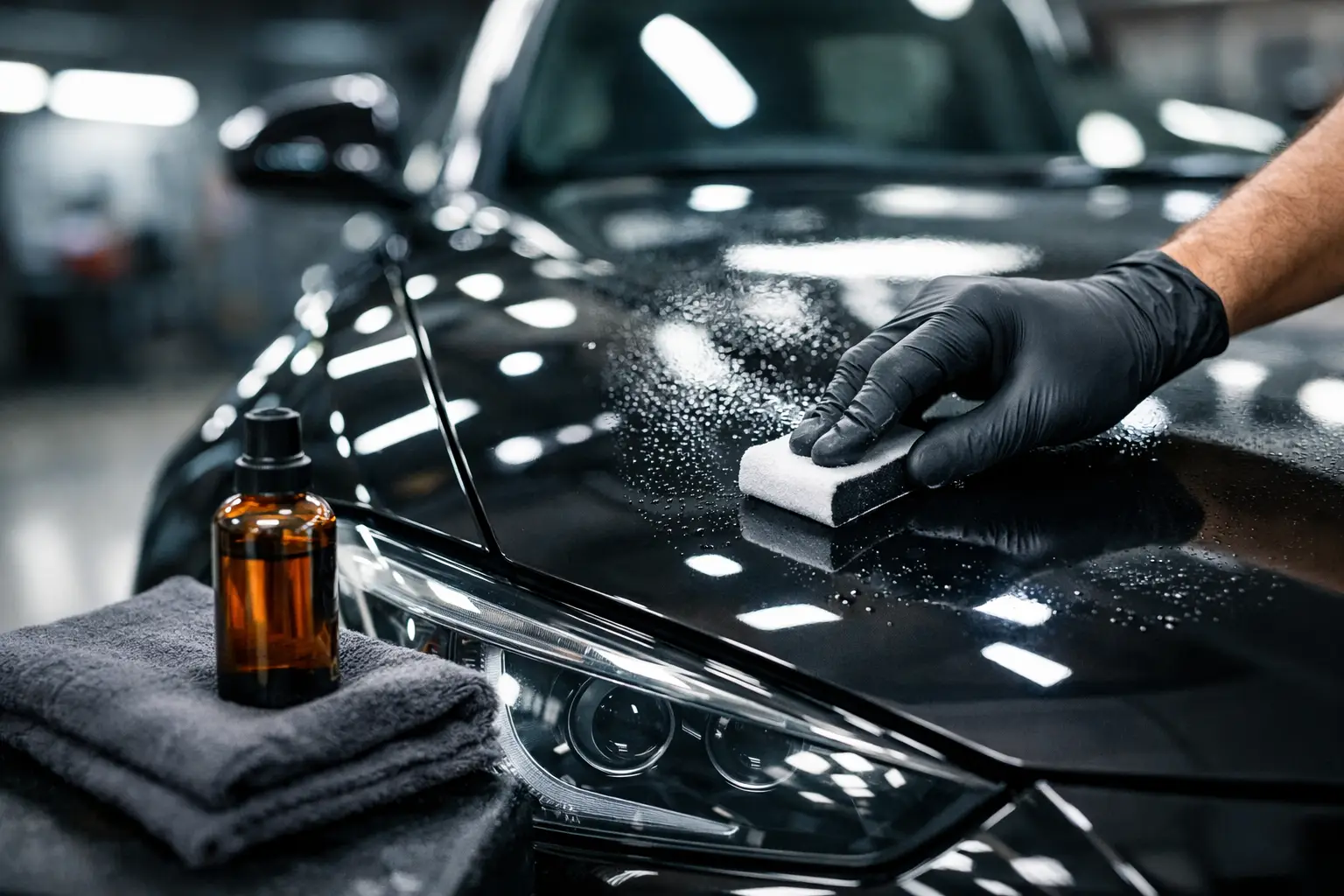
A ceramic coating is a liquid polymer applied to exterior painted surfaces after they have been thoroughly cleaned and prepared. Once cured, it forms a durable protective layer that bonds with the clear coat. That layer enhances gloss and creates a slick, hydrophobic surface, meaning water is more likely to bead up and carry loose dirt away rather than cling to the paint.
The coating does not make a vehicle invincible. Rock chips, deep scratches, door dings, and abrasive automatic car washes can still damage paint. It also does not eliminate the need for washing. What it does is reduce the day-to-day impact of contaminants and make proper maintenance far more manageable.
For owners who care about keeping a vehicle looking clean without spending every weekend fighting water spots and road film, that difference is substantial.
The Best Ceramic Coating Benefits in Daily Driving
A deeper, more refined gloss
The most visible benefit is often the finish. Ceramic coating adds depth, clarity, and a glass-like gloss that helps paint look richer in direct sunlight and under garage lighting. On darker colors, metallic paint, and high-end finishes, the improvement can be especially noticeable.
That result depends heavily on the condition of the paint underneath. A coating will not hide swirl marks, haze, oxidation, or scratches. In fact, its clarity can make existing flaws more visible. This is why professional paint correction is often recommended before coating application. Correcting the finish first allows the coating to preserve a cleaner, sharper look rather than sealing in imperfections.
Easier washing and less buildup
Ceramic-coated surfaces repel water and resist the adhesion of dirt, pollen, bug residue, and road grime. After a rainy commute or a drive through construction dust, contamination usually releases more easily during a careful wash.
This does not mean the vehicle will stay spotless indefinitely. Water spots can still form if mineral-heavy water dries on the surface, and winter salt needs to be removed promptly. The advantage is that regular cleaning is generally faster, gentler, and more effective because contaminants have a harder time bonding to the finish.
For busy professionals and families, this is one of the strongest reasons to consider coating. A car that is easier to clean is more likely to receive the consistent care it needs.
Added defense against UV exposure and oxidation
Sunlight gradually affects automotive paint, trim, and clear coat. UV exposure can contribute to fading, dullness, and oxidation over time, particularly on vehicles parked outside. A quality ceramic coating provides an added layer of protection against UV-related wear while helping maintain the paint’s original depth and color.
This matters even in the Midwest. Long summer days, open parking lots, and repeated temperature changes place real stress on exterior surfaces. Coating is not a substitute for covered parking, but it is a meaningful defense for vehicles that live outdoors.
Better resistance to common contaminants
Bird droppings, tree sap, bug splatter, fuel residue, brake dust, and acidic rain can all affect unprotected paint if left in place too long. Ceramic coating creates a sacrificial barrier that helps limit direct contact with the clear coat and provides valuable time to remove contamination safely.
The key phrase is valuable time. No coating should be treated as permission to leave bird droppings or sap on a vehicle for days. Prompt removal remains the right practice. Still, the added chemical resistance can reduce the chance of permanent etching and staining when life gets busy.
A more polished appearance between appointments
A well-maintained coating helps the vehicle look freshly detailed more often. Because dust and grime do not grip the surface as easily, the paint tends to retain its gloss and slick feel between washes. Wheels, glass, trim, and paint can also be protected with coating options suited to each material.
That consistency is valuable for more than luxury and exotic vehicles. A clean, well-kept SUV or commuter sedan makes daily driving feel better, supports pride of ownership, and presents well at work, events, and resale appointments.
Why Preparation Determines the Result
The quality of a ceramic coating is only part of the equation. Surface preparation is where professional workmanship makes the lasting difference.
Before coating, the vehicle should be washed, chemically decontaminated, and mechanically decontaminated as needed to remove bonded particles from the paint. The finish is then inspected under proper lighting. Depending on its condition, paint correction may be performed to reduce swirls, scratches, haze, and other defects. Finally, the surface is carefully wiped down so the coating can bond correctly.
Skipping these steps may save time at the beginning, but it can compromise appearance, durability, and evenness. A coating applied over contamination or uncorrected defects will not deliver showroom-level results. It simply preserves what is already there.
At Elite Luxe Auto Detailing, this detail-first approach is central to creating a finish that looks exceptional before protection is applied. The goal is not to rush a bottle onto the paint. It is to prepare the vehicle correctly and protect the corrected result.
Ceramic Coating vs. Wax and Paint Protection Film
Wax, ceramic coating, and paint protection film each have a place in vehicle care. The right choice depends on how you drive, where you park, and what you want to protect against.
Wax can add warmth and shine, but it generally lasts weeks to a few months and needs frequent reapplication. It is a good maintenance option for owners who enjoy regular detailing, but it does not offer the long-term durability of a professional ceramic coating.
Ceramic coating is designed for lasting gloss, chemical resistance, UV protection, and easy maintenance. It is a strong choice for owners who want durable paint protection and a cleaner appearance with less effort.
Paint protection film is different. It is a physical urethane film designed to help protect vulnerable areas from rock chips, road debris, and light impacts. For a vehicle that sees frequent highway miles, a common premium approach is paint protection film on high-impact areas such as the front bumper, hood, mirrors, and rocker panels, with ceramic coating applied to the rest of the exterior.
Ceramic coating is not better than film for chip prevention because it is not designed to be. Choosing the right solution means matching the protection to the risk.
How Long Does Ceramic Coating Last?
Durability varies based on the coating product, preparation quality, storage conditions, mileage, wash habits, and ongoing maintenance. Professional coatings can offer multi-year protection when properly installed and cared for, while entry-level products and consumer sprays may last considerably less.
Warranty-backed coating options can add confidence, but a warranty should not be confused with zero maintenance. Owners still need to wash the vehicle using safe methods, avoid harsh brushes and abrasive tunnel washes, remove damaging contaminants promptly, and schedule periodic inspections or maintenance details when appropriate.
A coating performs best when it is treated as part of a protection plan, not a one-time purchase that ends vehicle care.
Is Ceramic Coating Worth It for Your Vehicle?
Ceramic coating is often worth the investment for owners who want to preserve paint condition, reduce wash effort, and maintain a high-gloss appearance for years rather than weeks. It can be especially valuable for newer vehicles, freshly corrected vehicles, luxury cars, and any daily driver exposed to outdoor parking and regular commuting.
It may be less urgent for a vehicle with significant paint failure, widespread chips, or bodywork that needs repair first. In those cases, restoring the paint or addressing damaged panels should come before premium protection. The coating is most valuable when it has a sound surface to protect.
If your vehicle deserves more than a temporary shine, start with an honest inspection of its paint condition and your driving habits. The right ceramic coating service should leave you with a finish that looks outstanding now and remains easier to protect through every season.
