
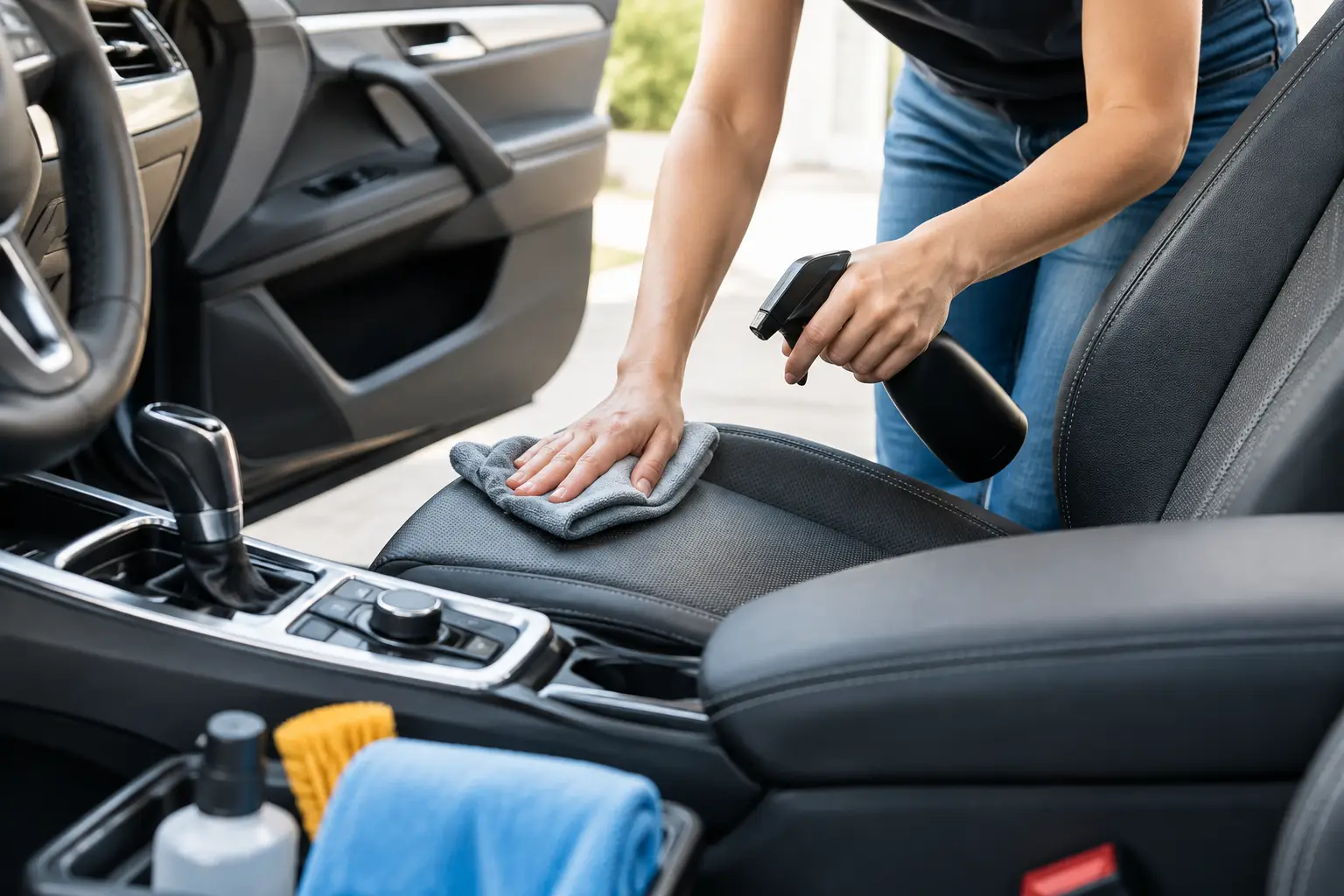
A clean interior can make a daily commute feel better, but protection is what keeps that clean, well-kept feeling from disappearing after one Chicago winter or a few hectic weeks with kids, coffee, and groceries. The best ways to protect car interior materials are not limited to a quick vacuum or air freshener. They focus on preventing abrasive grit, UV fading, stains, moisture, and odors before they become expensive problems.
For a newer luxury vehicle, interior protection helps preserve the level of refinement you paid for. For a family SUV, work truck, or commuter sedan, it reduces the visible wear that slowly makes a vehicle feel older than it is. The right routine depends on how you use your car, but the core principle is simple: clean contamination early, protect vulnerable surfaces, and avoid products that leave residue behind.
Start With Floor Mats That Match Your Driving Conditions
Carpet takes more abuse than nearly any other interior surface. In Arlington Heights and throughout the Chicago suburbs, snow, road salt, slush, sand, and gravel can be tracked into a vehicle for months at a time. Once that debris is ground into carpet, it can cause staining, unpleasant odors, and premature fiber wear.
All-weather mats with raised edges are one of the most practical upgrades for vehicles driven year-round. They contain melting snow and muddy water before it reaches the factory carpet. A fitted mat is preferable to a universal option because it covers more of the footwell and is less likely to shift under the pedals.
That said, factory carpet mats still have a place during dry weather, particularly in premium vehicles where appearance matters. The strongest approach is often seasonal: use all-weather mats during wet and salty months, then reinstall clean carpet mats once conditions improve. Whichever style you choose, remove and rinse mats regularly. A protective mat cannot do its job well when it is holding weeks of saltwater and debris.
Keep Dirt From Becoming Abrasion
Dust looks harmless, but fine grit acts like sandpaper on leather, vinyl, plastics, piano-black trim, and touchscreens. This is especially noticeable on high-contact areas such as steering wheels, center consoles, door pull handles, seat bolsters, and the edges of cupholders.
Use a soft microfiber towel and an interior-safe cleaner to remove dust and body oils before applying any dressing or protectant. Avoid household cleaners, harsh degreasers, and heavily fragranced wipes. They may leave shiny residue, dry out surfaces, or create a film that attracts more dust.
A good maintenance rhythm is light cleaning every two to four weeks, depending on mileage and passengers. Vehicles carrying children, pets, or frequent clients may need attention more often. The goal is not to scrub every surface aggressively. It is to remove contamination before it embeds itself into the material.
Be Careful With Glossy Dressings
High-shine dashboard products can make an interior look freshly detailed for a day, but they are rarely the best long-term choice. Excessive shine can reflect on the windshield, feel greasy, and collect dust. On modern soft-touch dashboards and satin trim, it can also create an unnatural finish.
Choose a non-greasy UV protectant that leaves a clean, factory-style appearance. Apply it sparingly with an applicator rather than spraying it across the dashboard. This gives you better control and prevents overspray from reaching glass, screens, or upholstery.
Use UV Protection Before Fading Starts
Sun damage is not reserved for convertibles. Even in the Midwest, repeated exposure through the windshield and side windows can fade dashboards, dry leather, discolor plastics, and weaken stitching over time. Dark interiors can become especially hot, accelerating the breakdown of vulnerable materials.
A quality windshield sunshade is an easy line of defense when parking outdoors for extended periods. It is not glamorous, but it meaningfully reduces cabin temperature and direct UV exposure. Covered parking and tint that complies with Illinois regulations can also help, although tint should not replace regular surface protection.
Leather, vinyl, and plastic surfaces benefit from products designed to block UV exposure without leaving them slick. Apply protection after a proper cleaning, not over dust or body oils. If a vehicle sits outside during work hours or is driven mainly on sunny weekends, this step deserves more frequent attention.
Protect Leather With the Right Maintenance
Leather interiors need a measured approach. Over-conditioning is a common mistake, particularly with newer coated automotive leather. Most modern leather is protected by a factory topcoat, so the priority is keeping that coating clean and protected rather than saturating it with heavy oils.
Clean leather gently with a dedicated leather cleaner and a soft brush or microfiber towel. Pay close attention to the driver seat bolster, armrests, steering wheel, and rear seats used by children. Those areas collect oils, sunscreen, denim transfer, and food residue that can cause discoloration or premature wear.
After cleaning, use a leather protectant appropriate for coated automotive leather. It should preserve a natural matte or low-sheen finish and help resist dye transfer and UV damage. If you notice cracking, stiffness, or color loss, a simple conditioner may not solve the underlying issue. Professional evaluation is a better choice before damage progresses.
Treat Fabric and Carpet Before Spills Happen
Fabric seats and carpets are highly absorbent, which makes prompt action critical. Coffee, sports drinks, milk, pet accidents, and melted snow can move below the visible surface quickly. By the time the stain is dry, it may have reached foam padding or under-carpet insulation.
Fabric protection creates a barrier that gives you more time to blot spills before they soak in. It does not make upholstery indestructible, and it should never encourage delayed cleanup. Still, it can substantially reduce staining and make routine maintenance easier.
When a spill occurs, blot instead of rubbing. Rubbing spreads the liquid and drives it deeper into fibers. Use a clean towel, work from the outer edge toward the center, and avoid soaking the area with random cleaners. If there is a sour smell after the surface appears dry, moisture may remain beneath the upholstery and should be professionally extracted.
Control Food, Moisture, and Odors at the Source
Air fresheners can cover an odor temporarily, but they do not remove the source. Lingering smells usually come from food residue, wet carpets, smoke, pet dander, spilled liquids, or bacteria inside the cabin. Prevention starts with small habits: empty trash, remove wet gear, and do not leave takeout containers in the vehicle overnight.
Keep a small microfiber towel and disposable trash bag in the car. For families, a seat-back organizer can prevent crayons, snacks, markers, and toys from ending up under seats. For pet owners, a fitted seat cover and cargo liner are worth using, especially on light-colored leather or carpet.
If you smoke in the vehicle, residue can settle into headliners, vents, seats, and glass. Smoke odor removal requires more than a fragrance treatment because the particles must be removed from the surfaces where they have bonded. Addressing it early protects the cabin experience and avoids a major resale objection later.
Do Not Forget Screens, Trim, and High-Touch Areas
Modern interiors contain more delicate materials than ever. Digital gauge clusters, infotainment displays, gloss-black trim, brushed metal accents, and ambient-lighting panels can be easily scratched or dulled by the wrong towel or cleaner.
Use a clean, soft microfiber towel reserved for screens and glossy trim. Spray product onto the towel rather than directly onto electronics, and use minimal pressure. Avoid paper towels, which can leave fine scratches on sensitive surfaces.
High-touch areas deserve extra attention because they collect oils and germs quickly. Steering wheels, gear selectors, door handles, buttons, and armrests should be cleaned with products safe for the material. Proper interior detailing is not just about visual appeal. It also creates a cleaner, more comfortable cabin for everyone who uses the vehicle.
Schedule a Professional Interior Reset When Needed
Even well-maintained vehicles eventually benefit from a deeper service. Salt residue can work into carpet, leather can accumulate body oils, and hidden debris can collect beneath seats and in tight console areas. A professional interior detail goes beyond a surface wipe-down with targeted vacuuming, extraction, cleaning, sanitizing, and material-specific protection.
This is particularly valuable before selling or trading a vehicle, after a harsh winter, following a long family road-trip season, or when odors and stains keep returning. Elite Luxe Auto Detailing can provide a showroom-level interior reset and help determine which protective treatments make sense for your vehicle’s materials and daily use.
The best protection plan is the one you can maintain. A few minutes spent clearing out debris, blotting spills immediately, and shielding surfaces from sun and salt will do more for your interior than an occasional rushed cleanup. Treat the cabin like the space you occupy every day, and it will continue to look, feel, and hold value like a vehicle that has been cared for from the start.
