
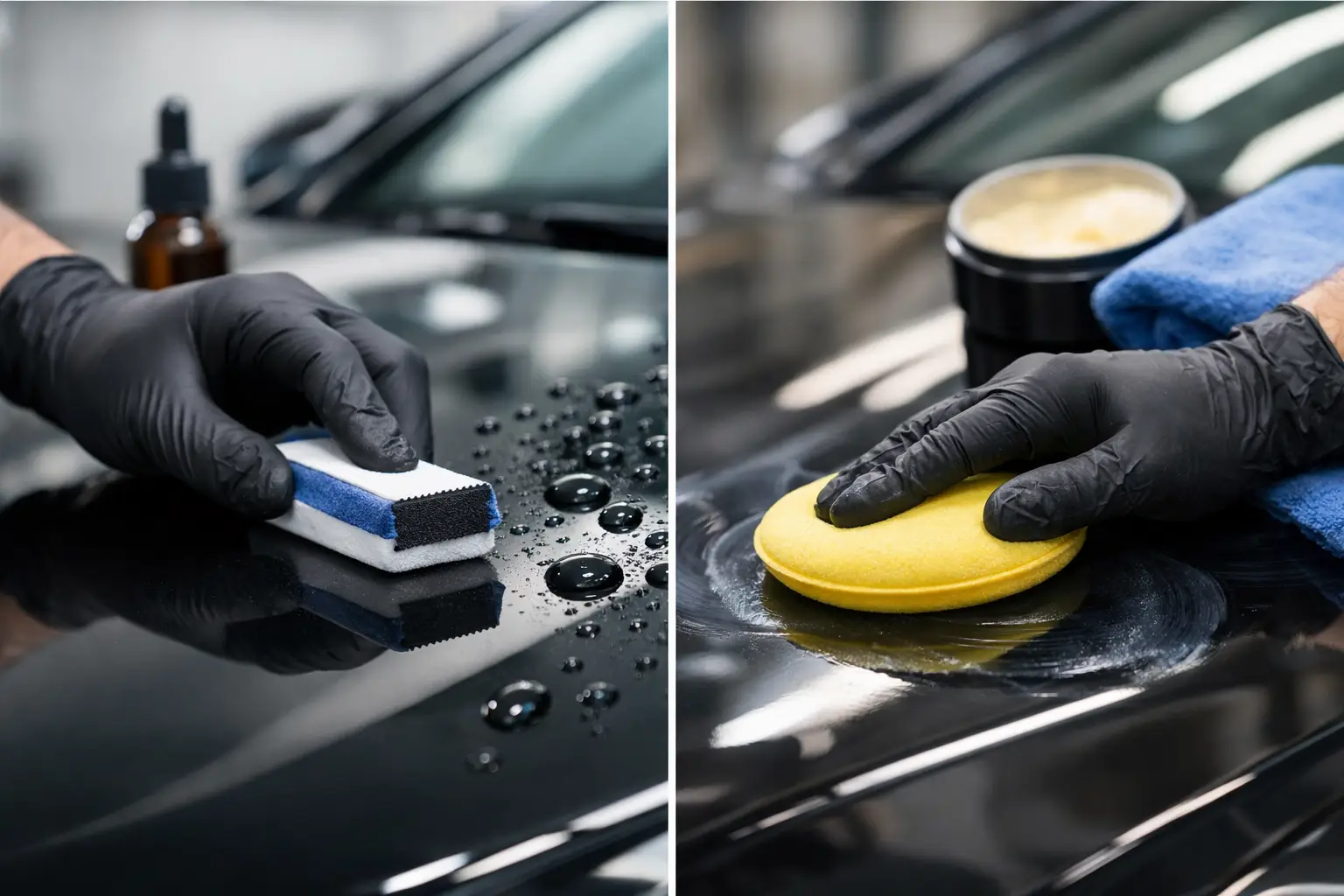
A fresh wash can make almost any vehicle look impressive for a day or two. The real difference shows up a week later, after highway dust, rain spots, sun exposure, and the usual wear of daily driving. That is where the ceramic coating vs wax decision starts to matter – not just for shine, but for how much protection and upkeep your vehicle will need over time.
For many drivers, wax is familiar. It has been the standard for decades because it is affordable, straightforward, and capable of delivering a warm, glossy finish. Ceramic coating, on the other hand, is built for longer-term protection and easier maintenance. Both have a place, but they are not interchangeable.
Ceramic coating vs wax: the core difference
The simplest way to frame ceramic coating vs wax is this: wax is a short-term protective layer, while ceramic coating is a more durable, longer-lasting form of paint protection.
Wax typically sits on the surface of the paint and creates a sacrificial barrier against water, light contamination, and some UV exposure. It can improve gloss and give paint a smoother feel, but it wears down fairly quickly. Heat, detergents, weather, and repeated washing all shorten its lifespan.
Ceramic coating is designed to bond more effectively to the vehicle’s clear coat. Once installed properly, it forms a more resilient protective layer that helps resist environmental fallout, UV damage, water spotting, and chemical exposure better than wax alone. It does not make paint invincible, but it does provide a stronger defense and a more consistent finish over time.
That difference is especially noticeable for vehicles that live outside, commute daily, or see regular expressway miles. In those conditions, short-lived protection tends to disappear fast.
How wax performs in the real world
Wax still has value, and for some owners, it may be enough. A quality wax can deepen shine, add water beading, and leave paint looking freshly detailed. If you enjoy regular hands-on maintenance or you only need temporary protection, wax can be a practical option.
The limitation is durability. Depending on the product, driving conditions, and wash habits, wax may last a few weeks to a couple of months. A garage-kept weekend car will usually hold that finish longer than a daily driver parked outside through Midwest sun, rain, pollen, and winter grime.
Wax also requires consistency. To keep paint protected, it has to be reapplied regularly. That may be fine for enthusiasts who like maintaining their own vehicles, but for busy professionals and families, repeated applications often fall off the schedule. Once that happens, the paint is left exposed sooner than expected.
Another point worth mentioning is that wax does very little to hide or correct paint issues. If the paint already has swirl marks, oxidation, or light scratches, wax may temporarily improve appearance, but it will not solve the underlying condition.
What ceramic coating does better
Ceramic coating is usually the stronger fit for owners who want durable protection with less day-to-day effort. It helps create a slicker surface, which means dirt, road film, and water do not cling as easily. Washing becomes easier, drying takes less time, and the vehicle tends to stay cleaner between services.
Its biggest advantage is longevity. Instead of reapplying protection every few weeks, a professionally installed ceramic coating can last for years when maintained correctly. That longer window matters if you care about preserving gloss, reducing paint deterioration, and protecting resale value.
Ceramic coating also holds up better against UV exposure and environmental contamination. Bird droppings, bug residue, tree sap, and road grime are still problems if they sit too long, but the coating gives the surface a better chance of resisting damage and makes cleanup less aggressive.
For darker colors, black wheels, luxury finishes, and vehicles with corrected paint, ceramic coating is often the better match because it helps preserve that cleaner, sharper look. On a properly prepared surface, the gloss tends to appear more crisp and reflective than what most waxes can deliver.
Ceramic coating vs wax on cost
Cost is where many people hesitate, and fairly so. Wax is less expensive up front. A wash and wax service is accessible, and even repeated applications can feel manageable in the short term.
Ceramic coating requires a larger initial investment because proper installation involves more than applying the product. The paint usually needs decontamination and, in many cases, paint correction first. That prep work is critical. Applying a coating over swirl marks, oxidation, or embedded contamination locks in flaws instead of improving the finish.
So, is ceramic coating more expensive? Yes, at the start. But cost should be measured against time, maintenance, and how long the protection lasts. If you are paying for wax several times a year and still dealing with fading protection, the lower entry price can become less appealing.
For owners keeping a vehicle long term, especially higher-end cars or well-maintained daily drivers, ceramic coating often makes more financial sense than it first appears.
Which one gives a better shine?
This is where expectations matter. Wax is known for a warm, rich glow. Some car owners still prefer that traditional freshly waxed look, especially on certain colors and classic finishes.
Ceramic coating usually delivers a sharper, more reflective gloss. It tends to make paint look clearer and more glass-like, especially when the surface has been corrected beforehand. If the paint is already in strong condition, the difference can be striking.
Still, the shine does not come from the coating alone. The real visual payoff comes from prep. Well-corrected paint with a premium coating will usually outperform waxed paint in both gloss and clarity. Poorly prepared paint with a ceramic coating will not.
The maintenance question most owners overlook
A lot of vehicle owners focus on application day and forget about what comes after. Protection only works well when the finish is cared for properly.
Wax asks for frequent reapplication. Ceramic coating asks for smarter maintenance. That means proper washing methods, avoiding harsh automatic brushes, and removing contaminants before they sit on the surface too long. A coated vehicle is easier to maintain, but it is not maintenance-free.
This is often the deciding factor for customers who value convenience. If you want your vehicle to look better with less ongoing effort, ceramic coating is hard to ignore. If you do not mind regular upkeep and prefer a lower-cost option, wax still has a place.
Who should choose wax?
Wax is usually the better fit if your goal is a short-term shine boost, you enjoy frequent detailing, or you are working within a tighter budget. It can also make sense for older vehicles where long-term paint correction and coating may not be the priority.
It is a reasonable choice for drivers who want their vehicle cleaned up for an event, a sale, or seasonal appearance improvement without committing to a longer-term protection package.
Who should choose ceramic coating?
Ceramic coating is the better fit if you want long-lasting protection, easier maintenance, and a finish that holds up better between washes. It makes particular sense for newer vehicles, luxury cars, dark paint, garage queens with high standards, and daily drivers exposed to the elements year-round.
It is also a smart move if you have already invested in paint correction and want to preserve the results. After all, if the paint has been restored to a higher level, it deserves better protection than something that fades quickly.
For many clients in the Chicago suburbs, that balance of protection and convenience is what makes coating the stronger long-term choice. Between seasonal weather swings, road grime, and packed schedules, durable paint protection is not just about appearance – it is about reducing wear while keeping maintenance more manageable.
So, which is better?
If you are looking strictly at durability, ease of maintenance, and long-term paint preservation, ceramic coating is better than wax. That is the straightforward answer.
But the best choice depends on how you use your vehicle, how long you plan to keep it, and how much effort you want to put into upkeep. Wax is still a valid option when budget and short-term appearance are the priority. Ceramic coating is the stronger investment when protection, convenience, and finish retention matter more.
The right decision is not about chasing the most expensive service. It is about matching the protection to the vehicle, the owner, and the standard you want to maintain. If you care about keeping your paint looking refined long after the next wash, that is usually where ceramic coating starts to separate itself.
