
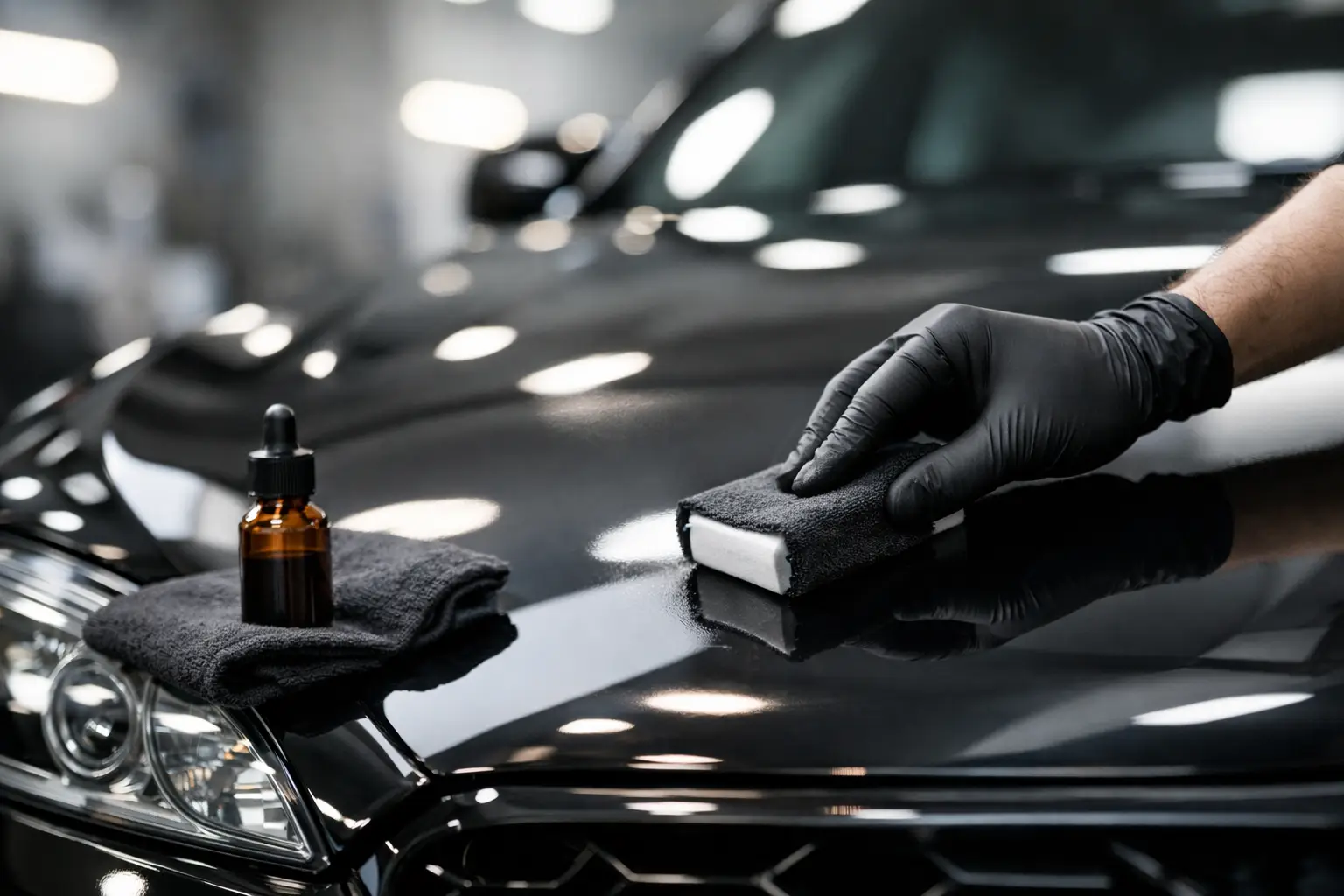
A ceramic coating can keep a vehicle looking noticeably glossier and easier to clean for years, but it is not a permanent shield. For Chicago-area drivers, the real question is not simply how long does ceramic coating last, but whether the coating is prepared, applied, and maintained well enough to stand up to road salt, summer UV exposure, rain, pollen, and frequent driving.
A professionally installed ceramic coating typically lasts two to five years, while premium multi-layer, warranty-backed systems can provide protection for five years or longer when paired with proper maintenance. The difference comes down to the coating itself, the condition of the paint before installation, and what happens after the vehicle leaves the detailing studio.
How Long Does Ceramic Coating Last in Real Conditions?
Ceramic coating durability is often described in years, but that number should be treated as a performance range rather than an expiration date. A coating does not disappear overnight. Instead, its water behavior, gloss retention, and resistance to contamination gradually decline when it is exposed to weather, improper washing, and neglected buildup.
For many daily-driven vehicles, a quality professional coating will deliver strong results for three to five years. A vehicle that is garage-kept, hand-washed correctly, and protected from harsh winter conditions may stay in excellent condition longer. On the other hand, a commuter parked outside every day and run through abrasive automatic car washes may see reduced hydrophobic performance much sooner.
Ceramic coating also does not make paint invincible. It helps reduce the impact of UV rays, bird droppings, tree sap, road grime, and light chemical contamination. It creates a slicker, more resistant surface that makes washing easier and helps preserve a deep, polished finish. It cannot prevent rock chips, deep scratches, collision damage, or every form of paint defect.
The Coating Grade Makes a Major Difference
Not all ceramic coatings are built to last the same amount of time. Consumer spray coatings and ceramic-infused sealants can improve gloss and water beading, but they generally last a few months to a year. They are useful maintenance products, not a replacement for a true professional-grade coating.
Professional ceramic coatings are chemically more durable and are applied after extensive paint preparation. Depending on the system selected, they may be rated for two, three, five, or more years of protection. Higher-tier coatings often include longer warranty coverage, but the warranty terms usually require regular care and may exclude damage caused by improper washing or environmental neglect.
The best option is not always the coating with the longest advertised lifespan. A newer luxury vehicle with carefully maintained paint may be a strong candidate for a multi-year coating package. A daily driver that sees heavy mileage may benefit more from a dependable coating and a realistic maintenance plan than from a long-term claim that does not match its use.
Paint Preparation Determines How Well It Performs
A ceramic coating bonds to the surface beneath it. If that surface is contaminated, dull, scratched, or covered in old waxes and oils, the coating cannot perform at its best. This is why professional preparation matters as much as the coating product.
Before application, the vehicle should be thoroughly washed, chemically decontaminated, and clay treated as needed. Paint correction may then be performed to reduce swirls, haze, oxidation, and other visible defects. The coating locks in the appearance of the paint at the time of application. Applying it over uncorrected swirls does not hide those defects – it can make them more noticeable under bright light.
For owners who want showroom-level results, paint correction is often the step that creates the visual transformation. The ceramic coating then protects that improved clarity and gloss. Skipping proper prep can reduce durability and leave the finish looking less refined than it should.
What Shortens Ceramic Coating Life?
Weather is unavoidable, particularly through Illinois winters, but several habits can shorten a coating’s useful life more quickly than normal exposure. The most common is frequent use of automatic tunnel washes with stiff brushes. Those brushes can introduce fine scratches, dull the finish, and leave behind residues that interfere with water beading.
Harsh degreasers, acidic cleaners, and strong alkaline soaps can also reduce performance when used repeatedly. So can allowing bird droppings, bug residue, hard-water spots, tree sap, or road salt to sit on the vehicle for extended periods. Ceramic coatings are resistant, not immune. Prompt washing remains part of protecting the finish.
Parking outside is not a reason to avoid ceramic coating. In fact, daily exposure to sun, rain, and contamination is exactly why many owners choose it. The key is setting appropriate expectations. An outdoor daily driver needs more consistent care than a weekend vehicle kept in a climate-controlled garage.
Maintenance Is What Protects the Investment
A coated vehicle should be washed regularly using a pH-neutral soap, clean wash media, and proper drying techniques. Every two to four weeks is a reasonable interval for many vehicles, though winter road salt and heavy summer contamination may call for more frequent washes.
Avoid letting the vehicle air-dry after a wash when possible, especially in areas with mineral-heavy water. Drying with clean microfiber towels or a filtered air system helps prevent water spotting and keeps the coating surface clear. If water stops beading as aggressively as it once did, that does not always mean the ceramic coating has failed. It may simply be clogged with mineral deposits, traffic film, or embedded contamination.
Periodic decontamination and professional maintenance can restore the surface behavior of a healthy coating. This is one reason maintenance programs are valuable: they address contamination before it becomes difficult to remove and help keep the finish consistently clean, glossy, and protected.
Signs Your Ceramic Coating Needs Attention
The most visible sign is a change in how water behaves on the paint. A fresh coating causes water to bead tightly and sheet away quickly. When water begins to sit flat or cling to the surface, the coating may need cleaning, decontamination, or inspection.
You may also notice that washing takes more effort, dirt sticks more easily, or the paint no longer has the same crisp gloss after cleaning. These issues can be caused by surface buildup rather than coating failure. A professional assessment can determine whether the coating is still intact, needs maintenance, or is reaching the end of its service life.
There is no need to wait until the paint looks neglected. Addressing diminished performance early is typically easier and more cost-effective than allowing contaminants to bond to the finish for months.
Ceramic Coating vs. Wax: Why Longevity Matters
Traditional wax can create a warm shine and some short-term protection, but it usually lasts weeks to a few months. Paint sealants often last longer, commonly several months. Ceramic coating is designed for owners who want a more durable barrier, easier washing, stronger gloss retention, and a lower-maintenance exterior routine.
That does not mean wax is useless. It can be a practical choice for a short-term refresh, a leased vehicle, or an owner who enjoys regular detailing. Ceramic coating makes more sense when preserving paint condition, reducing cleanup time, and supporting long-term vehicle appearance are the priorities.
For luxury, performance, and well-kept daily vehicles alike, the value is not only in water beading. It is in keeping the paint easier to manage through changing seasons and helping the vehicle retain the polished appearance that makes it feel cared for every time you walk up to it.
A ceramic coating lasts longest when it is treated as professional paint protection, not a replacement for vehicle care. Choose a coating system suited to how you drive, start with properly corrected paint, and maintain it with the same attention you expect from the finish. That approach keeps the gloss, clarity, and protection working long after the first wash.
