
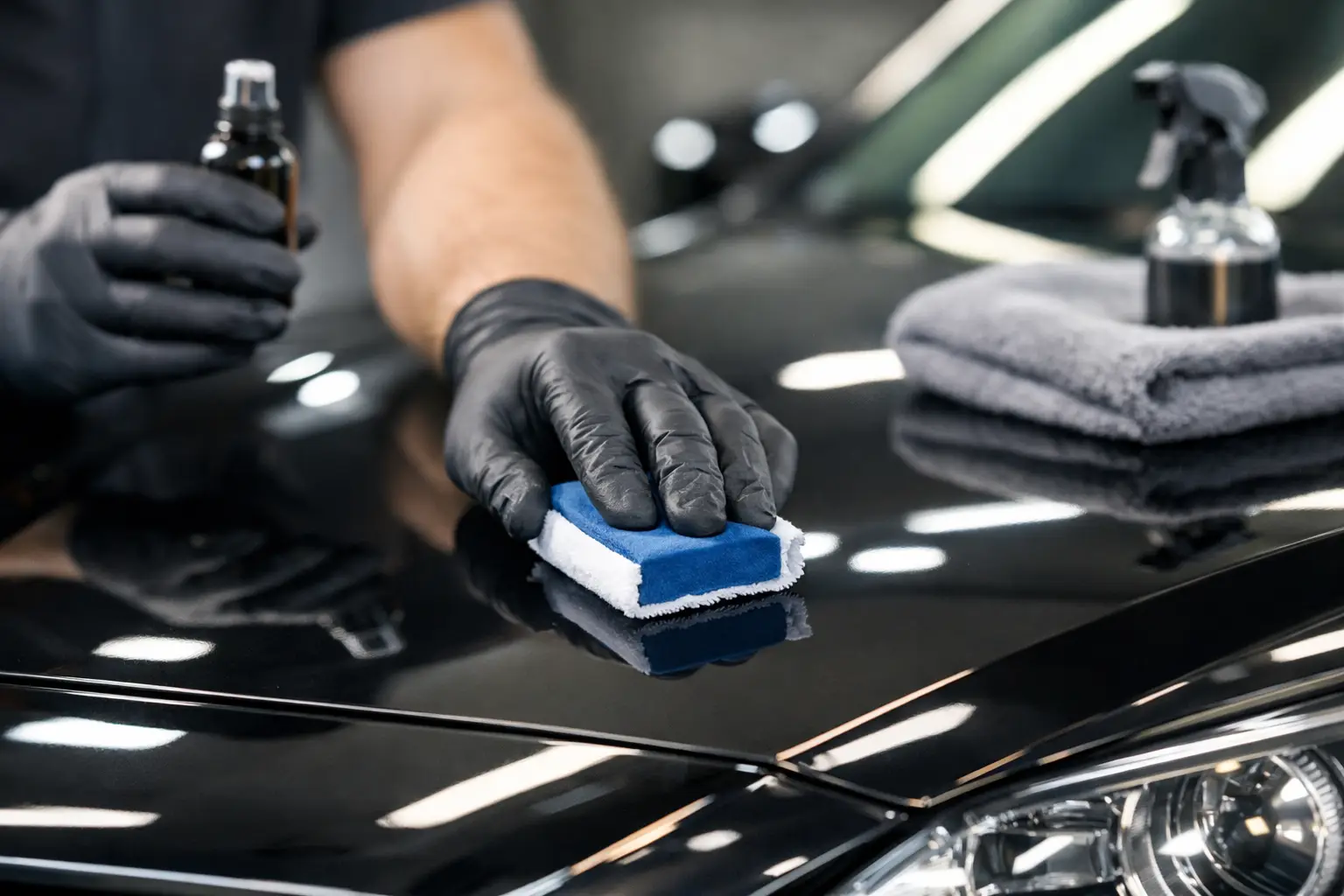
A ceramic-coated vehicle should look easier to care for, not impossible to touch. The coating creates a slick, glossy surface that helps water, road film, and light contamination release more easily. But knowing how to maintain ceramic coating correctly is what preserves that showroom-level finish through Chicago-area rain, construction dust, summer sun, and winter road salt.
Ceramic coating is durable protection, not a force field. It reduces the chance of staining, oxidation, and wash-induced wear, but it still needs safe washing habits and timely decontamination. A little consistency goes much further than occasional aggressive cleaning.
How to Maintain Ceramic Coating Between Details
The foundation of coated-car care is a proper hand wash. For most daily drivers, washing every two to four weeks is a practical schedule. Wash more often when the vehicle is exposed to road salt, tree sap, bird droppings, heavy pollen, or extended highway driving.
Start with a thorough rinse to remove loose grit. This is especially important around lower doors, rocker panels, wheel arches, and the rear of the vehicle, where abrasive road debris collects. Applying a pH-neutral, ceramic-safe shampoo with a quality wash mitt helps lift remaining dirt without leaving behind gloss-dulling residue.
Use the two-bucket method when washing at home: one bucket for clean shampoo solution and one for rinsing the mitt. Clean from the top down, saving wheels and lower panels for last. Rinse the mitt frequently rather than scrubbing through contamination. Even a premium ceramic coating can develop fine wash marks if dirty tools are dragged across the paint.
Drying matters just as much as washing. A clean, high-quality microfiber drying towel is the safest choice. Blot or gently glide the towel across the surface instead of pressing hard. If water is still beading but drying feels grabby, a ceramic-safe drying aid can add lubrication and make the process safer.
Avoid the Car Wash Habits That Damage the Finish
A coated vehicle can go through a touchless wash when necessary, particularly during a busy week or a harsh winter stretch. The trade-off is that many touchless facilities use strong alkaline or acidic chemicals to compensate for the lack of physical contact. Over time, those chemicals can leave residue or reduce the coating’s water behavior.
Avoid tunnel washes with spinning brushes whenever possible. Their brushes may hold grit from prior vehicles, creating the same fine scratches and swirls a ceramic coating is meant to help prevent. The coating may make those defects less likely or less visible, but it cannot eliminate the risk.
Also keep these common issues off the paint for as long as possible:
- Bird droppings, bug splatter, and tree sap, which can etch or stain when left in the sun
- Gasoline drips around the fuel door, especially on dark paint
- Hard-water sprinkler spots, which can bond to the surface as they dry
- Fresh road tar, brake dust, and industrial fallout
- Dirty towels, old wash mitts, and household cleaners not designed for automotive paint
If you spot contamination between washes, use a clean microfiber towel and a gentle detail spray or rinseless wash product intended for ceramic-coated finishes. Do not dry-wipe grit away. A fast response prevents a small issue from becoming a polishing job.
Use Products That Support the Coating
Ceramic coating maintenance does not require a cabinet full of specialty products. In fact, simpler is often better. Choose a pH-neutral car shampoo with no heavy waxes, fillers, or gloss additives that can mask the coating’s natural water behavior. Use clean microfiber towels and wash them separately from household laundry without fabric softener.
A ceramic-compatible topper or maintenance spray can be useful every few months. These products refresh slickness, improve water beading, and add a light sacrificial layer against environmental contamination. They are not a replacement for the original coating, and applying too much can create streaking or high spots. Follow the product directions, use very little at a time, and work on cool paint out of direct sunlight.
There is no need to apply traditional wax over a ceramic coating. It will not damage the coating in most cases, but it can interfere with the clean, sharp hydrophobic behavior owners expect. If you want a temporary boost in gloss or water repellency, use a coating-friendly topper instead.
Decontamination Is Still Part of Ceramic Coating Care
Over months of driving, microscopic metal particles, road film, mineral deposits, and other bonded contaminants can settle on the surface. When this happens, the coating may seem like it has stopped working because water no longer beads or sheets as it once did. Often, the coating is still present. It is simply covered.
A professional maintenance service can safely remove those deposits with chemical decontamination and, when appropriate, a careful clay treatment. This restores the coating’s surface performance without unnecessary abrasion. Aggressive clay bars, harsh polishing, and strong acidic cleaners should be approached carefully because they can mar paint or shorten the life of the coating when used incorrectly.
For vehicles driven year-round in Arlington Heights, Schaumburg, Palatine, and surrounding suburbs, seasonal maintenance is especially valuable. Winter salt and brine build up quickly underneath door edges and around wheels. In spring and summer, pollen, bugs, sap, and hard-water spotting become the bigger concern. A professional inspection before winter and again after the salt season helps keep contamination from settling in.
Watch the Water Behavior, but Do Not Judge by Beading Alone
Water beading is a useful visual sign, but it is not the only measure of a coating’s condition. A properly maintained coating may sheet water quickly rather than form perfectly round beads, particularly after washing or during heavier rain. Both behaviors can be normal.
Instead, pay attention to the complete picture. Is the paint still easier to wash? Does dirt release with a gentle rinse? Is the gloss clear and the surface smooth after cleaning? If the answer is yes, the coating may be performing well even if the beading looks less dramatic than it did on day one.
When water performance drops, wash and decontaminate the vehicle before assuming the coating has failed. This prevents unnecessary product layering and helps a detailing professional accurately assess whether the coating needs a refresh, repair, or replacement.
When Professional Maintenance Makes Sense
At-home care works well for owners with the time, space, and tools to wash safely. Professional maintenance is the better fit when your schedule is tight, the vehicle is exposed to harsh conditions, or you want to avoid guessing which products are safe. It also makes sense for luxury, exotic, and dark-colored vehicles, where even light swirls can affect the finish noticeably.
A proper maintenance appointment should be more than a quick wash. It should address wheels, door jambs, paint decontamination, careful drying, and an assessment of the coating’s condition. For coated vehicles that receive regular professional care, the finish stays cleaner between visits and is less likely to need corrective polishing later.
Elite Luxe Auto Detailing can provide that level of ongoing care for vehicles that deserve more than a basic car wash. The goal is not to constantly add products to the paint. It is to keep the protected surface clean, clear, and performing as intended.
Treat your ceramic coating as a long-term investment in your vehicle’s appearance. Gentle washing, quick removal of contaminants, seasonal attention, and professional care when needed will help the gloss remain something you notice every time you walk up to the car.
