
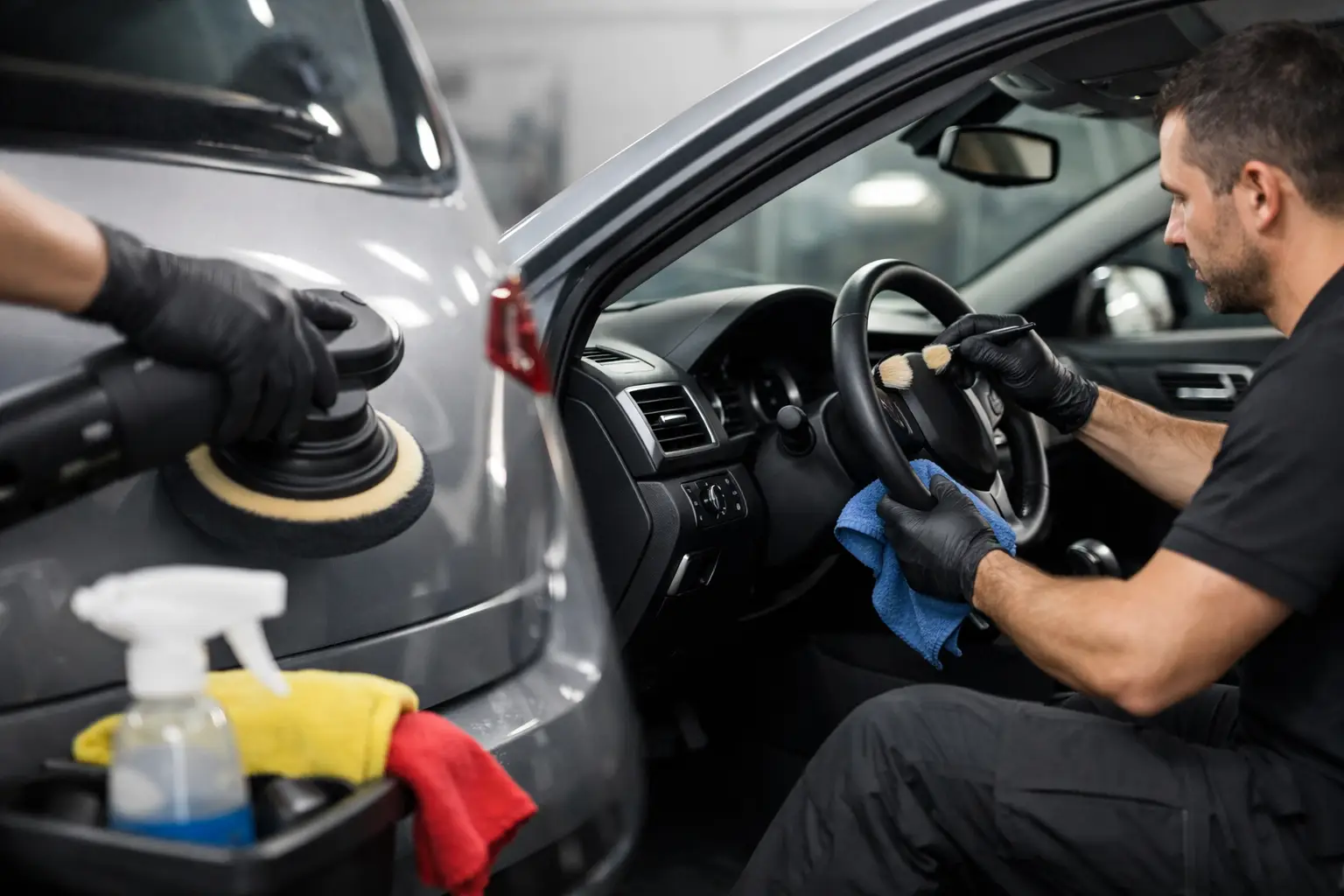
A lease-return inspection can turn small signs of neglect into unexpected charges. The right top lease return detailing tips help you present a clean, well-maintained vehicle while making it easier to identify issues worth addressing before turn-in. The goal is not to disguise damage. It is to restore the vehicle’s condition, document what is present, and avoid being billed for avoidable cleaning or appearance concerns.
For Chicago-area drivers, timing matters just as much as the detailing itself. Road salt, winter slush, pollen, food spills, pet hair, and everyday commuting can leave a vehicle looking more worn than it truly is. Start early enough to make thoughtful decisions, rather than rushing through a basic wash the night before inspection.
Start With Your Lease Inspection Standards
Every leasing company has its own definition of normal wear and tear. Before booking any service or buying supplies, review your lease-end guide and schedule the pre-return inspection if it is available. This gives you a clearer picture of what may be considered chargeable damage versus acceptable use.
Normal wear may include light marks consistent with age and mileage. Deep scratches, torn upholstery, cracked trim, stained carpeting, missing equipment, and wheel damage are more likely to receive attention. Detailing can dramatically improve many cosmetic issues, but it cannot make a dent, broken component, or excessive tire wear disappear.
Take clear photos of the exterior, wheels, glass, seats, carpets, trunk, dashboard, and odometer before any work begins. This creates a useful record of the vehicle’s condition and helps you compare the results after detailing. If an inspector notes an issue later, you will have a dated baseline to reference.
Focus on High-Visibility Areas First
Lease inspectors see the entire vehicle, but some areas create a stronger impression than others. A clean interior, clear exterior finish, odor-free cabin, and presentable wheels can make the vehicle look properly cared for rather than neglected.
Restore the Interior, Not Just the Floor Mats
A quick vacuum is rarely enough for a lease return. Dirt collects under front seats, along seat rails, inside door pockets, around the center console, and in the cargo area. Remove personal items first, including paperwork in the glove box, charging cords, toll passes, garage remotes, and anything stored below the trunk floor.
Vacuum carpets thoroughly, then address visible stains rather than covering them with air freshener. Coffee spills, salt rings, makeup, food residue, and pet-related messes should be treated with the right cleaner for the material. Aggressive scrubbing can fray carpet fibers or leave lighter spots, particularly on dark automotive carpeting.
Leather and vinyl surfaces need a different approach. Use a gentle interior-safe cleaner to remove body oils and grime from steering wheels, armrests, door panels, and seats. Follow with a non-greasy protectant if appropriate. Shiny, slick dashboards and steering wheels can look unnatural and may create glare, so a clean satin finish is usually the better result.
Do not overlook the headliner. It is one of the easiest areas to damage with excessive moisture or heavy agitation. Light spot treatment is often appropriate, while severe headliner staining is best left to a professional.
Eliminate Odors at Their Source
Odor is one of the most common lease-return concerns because it can signal a deeper cleaning issue. Smoke, pet odor, mildew, spilled drinks, and lingering food smells are not solved by fragrance alone. A strong air freshener may actually draw attention to the problem.
Start by removing all trash and checking hidden areas such as under seats, seatback pockets, trunk compartments, and the spare tire well. Replace the cabin air filter if it is dirty or producing a musty smell. For smoke odor or persistent pet odor, professional odor treatment may be the most cost-effective option because the source can be embedded in upholstery, carpeting, and the HVAC system.
Clean Glass, Trim, and Touch Points
Interior glass should be streak-free, especially the windshield and rear glass. Clean the instrument panel, screens, cup holders, door jambs, pedals, and seat belt buckles. These details may seem minor, but they communicate the overall level of care the vehicle received.
Avoid spraying cleaners directly onto electronic screens, buttons, or vents. Apply product to a microfiber towel first, then wipe carefully. This reduces the risk of overspray, staining, and moisture reaching sensitive electronics.
Improve the Exterior Without Creating New Problems
A careful exterior detail can reveal the true condition of the paint and remove months of built-up contamination. Begin with a proper hand wash that includes the wheel faces, tires, wheel wells, lower rocker panels, door jambs, fuel door, and trunk seams. These are the areas that basic drive-through washes often miss.
After washing, inspect the paint in good lighting. Road film, tree sap, bug residue, tar, rail dust, and bonded contaminants can make paint look dull even when there is no serious damage. Professional decontamination and polishing can restore smoothness and gloss when performed correctly.
Be Careful With Scratch Removal
Not every scratch should be treated the same way. Light surface marring and paint transfer may be improved through paint correction. Deep scratches that catch a fingernail may extend through the clear coat and require touch-up or body repair. Trying to aggressively polish a deep scratch can thin the surrounding clear coat and leave a more noticeable defect.
Avoid DIY scratch products that promise instant results without explaining their abrasiveness. Some leave fillers that temporarily hide marks, while others can haze the finish or create uneven shine. If the vehicle has dark paint, black trim, or a delicate finish, a professional assessment is often worthwhile before attempting correction.
Do Not Ignore Wheels and Tires
Curb rash, heavy brake dust, stained wheel barrels, and brown tire sidewalls can make an otherwise clean vehicle appear neglected. A safe wheel cleaning process can remove accumulated grime and restore a more uniform appearance. Tires should be clean and dressed with a low-sling, natural-looking product rather than a glossy coating that can splatter onto paint.
Detailing will not repair bent wheels, missing wheel caps, severe curb damage, or tires below the lease company’s required tread depth. Check tire pressure, tread, and warning lights ahead of time. These mechanical or safety-related concerns should be handled separately from cosmetic preparation.
Address Small Issues Before They Become Inspection Notes
Walk around the vehicle slowly after it is clean. Cleaning often reveals minor problems that dirt had concealed. Look for chipped windshields, burned-out bulbs, loose trim, cracked lenses, missing floor mats, damaged key fobs, and faded license plate frames.
A small windshield chip may be repairable before it spreads. Missing accessories, including extra keys, cargo covers, charging cables for electrified vehicles, or removable third-row components, may also result in charges. Gather everything that came with the vehicle and confirm the number of keys required under your lease agreement.
It depends on the issue whether repair makes financial sense. For a small paint scuff or stained seat, professional detailing may cost less than a lease-end charge. For significant body damage, compare an independent repair estimate with the leasing company’s expected assessment before committing to work.
Schedule Detailing Before the Final Week
One of the best lease return detailing tips is simple: do not wait until the final 48 hours. Schedule a full detail one to two weeks before turn-in when possible. That leaves time to inspect the results, handle any repairs, obtain replacement parts, and drive the vehicle without immediately undoing the work.
If your lease inspection takes place before vehicle turn-in, detail the vehicle shortly before that inspection. Keep it maintained afterward with a careful wash and interior touch-up. Heavy rain, snow, or a week of family commuting can quickly change the presentation of a freshly detailed vehicle.
For vehicles with heavy interior buildup, smoke odor, pet hair, paint transfer, or winter residue, a professional detail provides more than cosmetic improvement. It creates a cleaner assessment environment and helps ensure the vehicle is being evaluated for its real condition rather than a layer of neglect. Elite Luxe Auto Detailing can help drivers prepare for lease return with focused interior, exterior, and odor-removal services tailored to the vehicle’s actual needs.
Before handing over the keys, take a final set of photos, remove your plates if required, and confirm that every personal item is out of the vehicle. A clean, documented lease return will not erase legitimate damage, but it gives your vehicle the fair, well-cared-for presentation it deserves at inspection.
