
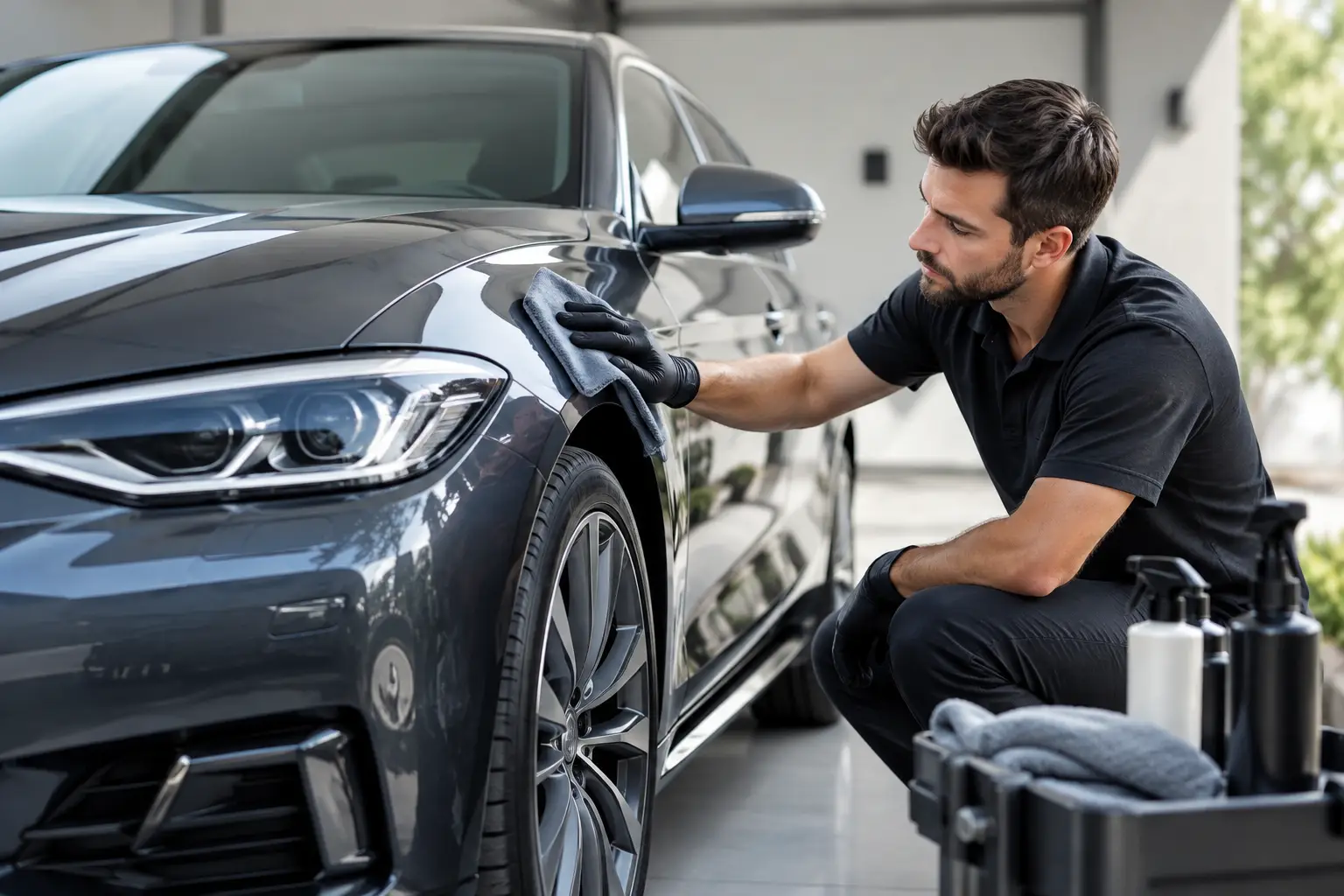
That new-car gloss looks permanent under the dealership lights. It is not. By the time a vehicle reaches your driveway, it may have spent weeks outdoors at a rail yard, on a transport truck, or on a dealer lot collecting dust, water spotting, and bonded contaminants. If you are asking when should you detail a new car, the short answer is: sooner than most owners think, but not necessarily because it looks dirty.
For Chicago-area drivers, early detailing is less about making a new vehicle look better for a weekend and more about establishing protection before sun, road salt, construction dust, pollen, and daily use begin to affect the finish. The right service and timing depend on the vehicle’s condition, where it is stored, how it will be driven, and the level of protection you want long term.
When Should You Detail a New Car?
A new car should ideally receive a professional detail within the first few days to the first few weeks of ownership. This is the best window to inspect the paint, correct minor delivery-related defects if needed, and apply protection while the finish is still in its best condition.
You do not need to wait until the vehicle looks worn. In fact, waiting until stains, swirls, road film, or interior grime are visible usually means the detail has shifted from preventative care to restoration. A new-car detail gives the vehicle a clean starting point and makes regular maintenance easier afterward.
The exception is a vehicle that has just received dealer-applied protection or a professional ceramic coating. Even then, it is worth understanding exactly what was applied, how it should be maintained, and whether the paint was properly prepared first. Product labels can sound impressive, but the result depends heavily on paint decontamination, correction, and application quality.
Why New Does Not Always Mean Perfect
Many owners assume a new vehicle arrives with flawless paint. Luxury, exotic, and everyday vehicles can all show defects before the first owner takes delivery. Dealership washing practices, transport film, lot dust, improper drying, and routine handling can leave behind light scratches, water spots, adhesive residue, or dull areas in the clear coat.
A professional inspection can identify those issues under proper lighting. Minor paint correction may be appropriate before a ceramic coating or premium sealant is applied. Coating over swirl marks does not remove them. It can make them more noticeable in direct sunlight because the surface becomes glossier and more reflective.
The goal is not to chase perfection on every new car. Some owners want a practical layer of protection for a family SUV or commuter, while others want maximum gloss and clarity for a high-end vehicle. The best approach matches the service to how the car will actually be used.
Detail Before or After Taking Delivery?
If possible, arrange protection shortly after delivery rather than relying on a dealership package. Dealerships are often working at volume, and the level of preparation can vary widely. A specialist detail allows for a closer inspection and a service designed around the vehicle rather than a one-size-fits-all add-on.
Before taking delivery, inspect the exterior in daylight. Look at the hood, trunk, doors, and lower panels from several angles. Check for obvious scratches, chips, overspray, water spots, panel inconsistencies, and residue around badges or trim. Inside, inspect the seats, headliner, screens, cargo area, and door panels for marks or stains.
If you find a significant issue, document it and bring it to the dealer’s attention before signing final paperwork. Once the vehicle is yours, a detailer can address many cosmetic concerns, but paint damage or manufacturing defects may still be the dealer’s responsibility.
The Best Timing for Ceramic Coating
For owners considering ceramic coating, the best time is typically as soon as practical after purchase. A new vehicle offers a cleaner foundation, usually requiring less correction than a car that has been exposed to months or years of weather and improper washing.
Ceramic coating is a strong choice for drivers who want durable gloss, easier washing, improved resistance to UV exposure, and added protection from contaminants. It is especially valuable for vehicles parked outside, driven frequently, or kept as a long-term investment. It does not make paint indestructible, and it will not prevent every rock chip or deep scratch, but it adds a meaningful layer of chemical and environmental protection.
The timing matters in the Chicago suburbs. Applying protection before winter gives the finish a better defense against road brine, salt residue, slush, and repeated wash cycles. Applying it before the height of summer also helps reduce the impact of intense UV exposure, bug residue, and baked-on contaminants.
A coating appointment should include proper wash preparation and decontamination. Depending on the condition of the car, it may also include a light polish or paint correction to refine the finish before protection is installed. This preparation is what supports the clean, showroom-level result owners expect.
Do You Need a Full Detail Right Away?
Not every new car needs an extensive multi-stage correction or the highest-level coating package on day one. A vehicle that was carefully transported, stored indoors, and delivered without visible defects may only need a thorough exterior decontamination, a light polish, and quality protection.
On the other hand, a car that sat on a dealer lot for several months, has visible wash marring, or arrived after winter transport may need more attention. Dark-colored paint often reveals these flaws most clearly, but white, silver, and gray vehicles can still benefit from the same careful preparation.
The interior deserves attention too. New-car interiors may contain protective plastics, dealership residue, dust, fingerprints, and odors from transport or storage. A professional interior detail removes those distractions without using harsh products on sensitive leather, screens, piano-black trim, or matte surfaces.
What to Avoid During the First Weeks
The first few weeks of ownership set the tone for the condition of the vehicle over time. Avoid automatic brush washes, especially if you care about a swirl-free finish. Their brushes can hold dirt and grit from previous vehicles, creating fine scratches that gradually reduce paint clarity.
Be cautious with dealership courtesy washes as well. A quick wash may be convenient, but it is rarely performed with the careful methods used to preserve premium finishes. If your vehicle has a fresh ceramic coating, follow the curing guidance provided by the installer before washing it or exposing it to harsh chemicals.
Avoid wiping dust or pollen from dry paint with a towel. It seems harmless, but dragging dry particles across the surface can leave fine marring. When the vehicle needs attention, use a proper hand wash or schedule a maintenance detail.
Set a Maintenance Schedule That Fits Your Driving
After the initial detail, maintenance is what protects your investment. Most daily-driven vehicles benefit from professional detailing every four to six months, with regular safe washing in between. Vehicles parked outside, driven through construction areas, or exposed to frequent highway miles may need more frequent care.
For ceramic-coated vehicles, periodic maintenance details help remove mineral deposits and road film that ordinary washing can leave behind. This keeps the coating performing as intended and helps preserve the slick, glossy appearance that made the investment worthwhile.
Interior care varies by lifestyle. Families with children, pet owners, and commuters who spend long hours in the vehicle may benefit from seasonal interior detailing. Leather, fabric, carpets, touchpoints, and cargo areas all wear differently, and keeping up with them is easier than trying to reverse years of buildup.
A New Car Is the Best Starting Point
A detail performed early protects more than appearances. It helps preserve paint clarity, keeps interior materials cleaner, supports resale value, and reduces the effort needed to maintain the vehicle later. Whether you drive a new luxury sedan, an exotic weekend car, a family SUV, or a daily commuter, the smartest time to protect it is before daily driving begins to leave its mark.
Elite Luxe Auto Detailing can assess a new vehicle’s true condition and recommend protection that fits your finish, driving habits, and expectations. Starting with the right care now gives your new car a better chance of looking exceptional long after the new-car feeling has faded.
