
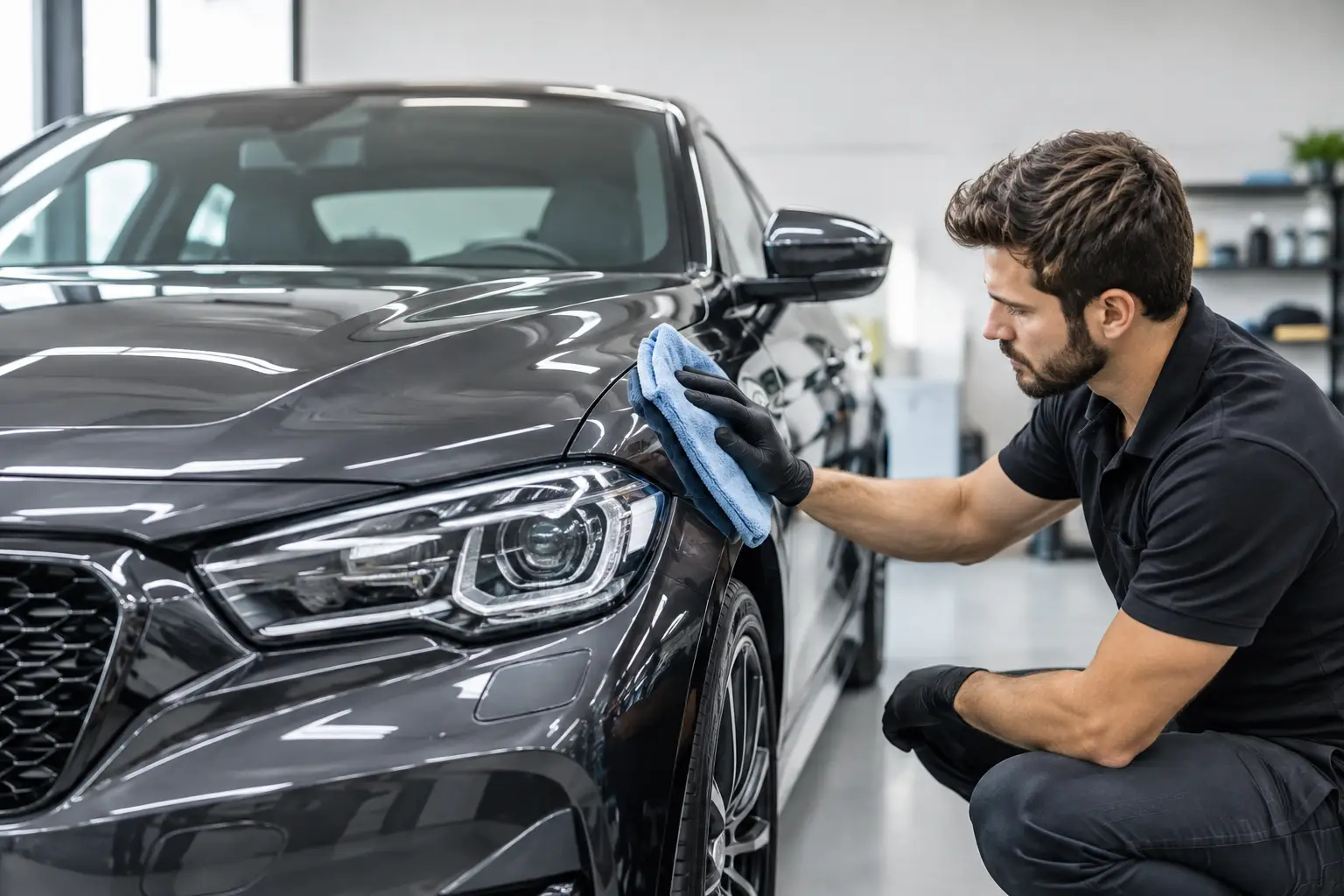
A clean car can look great after a quick wash, but detailing serves a different purpose. The question of how often should car detailing be scheduled is really about how your vehicle is used, where it is parked, and what protection is already on the paint. For Chicagoland drivers, road salt, construction dust, pollen, harsh sun, and long commutes can make a once-a-year approach fall short.
A sensible detailing schedule keeps the vehicle looking sharp while helping prevent the gradual decline that shows up as dull paint, embedded grime, stained upholstery, odors, and worn-looking trim. The right interval is not the same for every car, but most owners benefit from combining regular maintenance washes with professional detailing at planned intervals.
How Often Should Car Detailing Be Done?
For most daily-driven vehicles, a full professional detail every four to six months is a strong baseline. That usually means two to three thorough detailing appointments per year, supported by routine washing in between. This schedule gives a detailer time to remove bonded contamination, refresh protection, clean the interior beyond surface level, and address small issues before they become harder to correct.
Drivers who keep their cars garaged, drive limited miles, and maintain them carefully may only need a full detail twice a year. On the other hand, a family SUV, a commuter vehicle, a rideshare car, or a luxury vehicle driven year-round through Chicago-area weather may benefit from detailing every two to four months.
The goal is not to detail a vehicle simply because a calendar says so. It is to match service to the conditions affecting its paint, wheels, interior, and long-term value.
Monthly or biweekly washing is still necessary
Professional detailing does not replace normal washing. Dirt left on the paint can trap moisture and contaminants, while bird droppings, bug residue, tree sap, and road film can bond to the surface surprisingly quickly.
Most vehicles should be washed every two to four weeks. During winter or after salt exposure, more frequent washing is worthwhile, especially around wheel wells, rocker panels, lower doors, and the undercarriage. A quality hand wash or careful maintenance wash helps preserve the work completed during a professional detail.
Avoid treating an automatic wash as a complete maintenance plan. Brush tunnels can add fine scratches, and even touchless washes may leave behind road film and contamination. They have their place for convenience, but they cannot replace the careful cleaning and protection a proper detail provides.
Your Driving Habits Set the Real Schedule
The number of miles on the odometer matters less than what those miles involve. A vehicle that travels 8,000 miles annually on clean suburban roads may stay in excellent condition longer than a car driven 8,000 miles through construction zones, parking garages, expressway traffic, and winter slush.
Consider a more frequent detailing schedule if your vehicle is regularly exposed to any of the following:
- Road salt, brine, slush, and winter grime
- Outdoor parking under trees or near industrial and construction areas
- Children, pets, food, sports equipment, or frequent passenger use
- Highway commuting that leaves heavy bug residue and brake dust
- Smoking, strong odors, spills, or moisture inside the cabin
These conditions do not always require paint correction or an intensive restoration service. Often, a maintenance detail is enough to reset the vehicle, clean overlooked areas, and renew the protective layer before damage develops.
Luxury and exotic vehicles need a different standard
For high-end, performance, and collector vehicles, detailing is often more about preservation than cleaning. Fine paint finishes show swirl marks, water spots, and contamination more clearly. Leather, Alcantara, piano-black trim, polished wheels, and delicate interior surfaces also benefit from proper products and careful technique.
Owners of these vehicles may choose quarterly maintenance detailing even when the car is driven sparingly. The reasoning is simple: a premium vehicle should not need to look neglected before it receives professional care. Regular inspections also make it easier to spot early paint defects, trim deterioration, and coating issues while they are still manageable.
Chicago Weather Changes the Answer
Chicagoland weather makes seasonal timing especially useful. Winter brings corrosive salt and brine. Spring brings pollen, rain spotting, and road debris. Summer adds UV exposure, bugs, and tree sap. Fall can leave leaves, organic debris, and moisture in cowl areas and door jambs.
A late-winter or early-spring detail is one of the most valuable appointments of the year. It removes winter buildup from painted surfaces, wheels, jambs, and interior carpets while refreshing protection before the warmer months.
A second detail in late fall can prepare the vehicle for winter by cleaning the paint thoroughly and applying appropriate protection. If the vehicle has a ceramic coating, this is also a good time to inspect its water behavior, remove mineral deposits, and make sure the coating is performing as intended.
For vehicles that see heavy winter use, a midwinter maintenance service can be worthwhile. It may not be a full restoration detail, but removing salt accumulation and cleaning the interior can make a meaningful difference in both comfort and preservation.
Ceramic Coating Can Extend the Interval, Not End Maintenance
Ceramic coating is designed to provide long-term paint protection, enhanced gloss, and easier cleaning. It can reduce how strongly dirt and contaminants stick to the surface, but it does not make a car maintenance-free.
A coated vehicle still needs regular washing because road film, minerals, salt, and organic contamination can sit on top of the coating. When neglected, those deposits can reduce the coating’s hydrophobic behavior and leave the paint looking muted even though the coating itself remains intact.
With a professionally installed, warranty-backed coating, many owners shift from frequent full details to scheduled maintenance details. A practical plan might include regular safe washes, a professional coating inspection every four to six months, and decontamination as needed. This approach protects the coating investment while keeping the finish at showroom level.
Wax and sealant protection generally requires more frequent renewal than ceramic coating. Depending on the product, storage conditions, and wash routine, a wax or sealant may need to be reapplied every few months. If water stops beading, the paint feels rough after washing, or the gloss fades quickly, it may be time for a refresh.
Do Not Wait for the Car to Look Bad
Waiting until a vehicle appears dirty enough for detailing usually creates more work and may limit what a standard service can accomplish. By the time paint feels rough, water spots have etched, leather has darkened, or odors have settled deep into upholstery, cleaning alone may no longer be enough.
Schedule a detail sooner if you notice that wash results do not last, the paint has lost clarity, brake dust is stubborn on the wheels, or the interior has lingering odors. Spills, pet accidents, smoke exposure, and salt-stained carpets should also be addressed promptly. Fast action improves the odds of full removal and helps prevent permanent staining or odor retention.
Paint correction follows a separate timeline. It is not a routine service to perform every few months because correction removes a measured amount of clear coat to eliminate defects. Instead, reserve it for vehicles with visible swirls, oxidation, scratches, or dullness that cannot be resolved through washing and protection. Once corrected, proper maintenance and ceramic coating can help preserve that finish for years.
A Practical Detailing Plan for Most Owners
For a daily driver in Arlington Heights, Schaumburg, Palatine, or surrounding suburbs, a simple annual rhythm works well: wash consistently, schedule a deeper detail after winter, and book another protective service before or during fall. Add an interior-focused appointment when family life, commuting, pets, or spills demand it.
If your vehicle is a luxury model, frequently parked outside, heavily driven, or protected with ceramic coating, move toward quarterly professional maintenance. That schedule is less about excess and more about keeping the finish, cabin, and protective products performing as designed.
Elite Luxe Auto Detailing can tailor that cadence around your vehicle’s condition, protection level, and daily use rather than applying the same package to every car. A vehicle that receives the right care at the right time stays easier to clean, more enjoyable to drive, and better positioned to hold its appearance and value over the long run.
The best time to schedule detailing is before seasonal exposure or minor wear turns into a restoration project. A consistent plan keeps professional care predictable, convenient, and far more effective than waiting for the damage to become obvious.
